
Digital advertising in 2026 has learned an essential lesson: relevance wins. Behavioral targeting proves this every day by delivering ads that people actually want to see – enhancing customer experience rather than disrupting it. The impact shows up in the metrics: click-through rates increase by 10x compared to non-targeted ads, conversions can lift by up to 300% (eMarketer), while first-party behavioral retargeting delivers 2-3x ROAS when leveraging owned customer data (CustomerLabs).
Despite regulatory pressures, behavioural targeting has evolved rather than diminished. Smart marketers now use behavioral audiences not just for initial digital advertising targeting, but also for creating follow-up communications tailored to different target segments and buyer personas, with each message triggered by specific actions.
Key Facts:
- Despite regulatory challenges, behavioral targeting continues as a digital advertising cornerstone in 2026
- Privacy regulations have shifted focus to zero-party and first-party data collection methods
- Relevant, behavior-based ads improve customer experience by reducing irrelevant impressions
- Marketers create targeted follow-up campaigns for specific audience segments based on actions
Let’s explore what behavioral targeting is, how it works, and the behavioral targeting examples that prove its value.

What is Behavioral Targeting?
Behavioral targeting is a method in online advertising that delivers personalized content that actually matches what users want to see. Instead of guessing based on demographics, this method tracks real user behavior – the pages they visit, how long they linger, and what they click.
Here’s how behavioral targeting works: advertisers collect behavioral data from actual browsing patterns, then segment users into meaningful groups based on their demonstrated interests. The result? Ads that feel relevant rather than intrusive.
This shift from demographic assumptions to behavioral data represents a smarter approach to digital marketing. By responding to what users actually do online, behavioral targeting increases engagement and creates advertising experiences that resonate.
Turn behavior insights into conversions! Build personalized landing pages with Landingi today.
What are the Benefits of Behavioral Targeting?
Behavioral targeting delivers three core advantages: higher conversion rates, stronger ad relevance, and smarter budget allocation. By analyzing how users interact with content, marketers can identify potential customers who’ve already demonstrated interest in similar products or services – targeting intent, not guesswork.
Unlike contextual advertising, which simply matches ads to page content, behavioral targeting zeroes in on individual actions and patterns. This shift enables brands to craft personalized campaigns for distinct audience segments, each tailored to specific behaviors and preferences.
Engagement increases, wasted impressions decrease, and marketing dollars flow where they deliver real impact.
How to Implement Behavioral Targeting into Marketing Strategy?
To implement behavioral targeting into a marketing strategy, follow a structured process that ensures accuracy, relevance, and measurable impact through precise data collection, analysis, and application.
Step 1: Collect user data
Deploy tracking pixels, cookies, analytics platforms (e.g., Google Analytics), and CRM systems to capture consumer data across digital channels. Monitor customer behavior, including page views, click paths, session duration, and product interactions. Browsing history reveals interest trends, while purchase behavior highlights conversion potential.
Step 2: Segment your audience
Divide users into meaningful audience segments based on their online behavior patterns. Identify actions that signal interest level, purchase intent, or engagement frequency. Users who repeatedly view products show higher intent than those who bounce quickly. Clear segmentation helps define your target audience and match each group with relevant messages that drive response.
Step 3: Apply behavioral targeting techniques
Deploy practical methods like retargeting abandoned carts, dynamic ad personalization for engaged users, and exclusion targeting for low-intent audiences. Behavioral targeting makes marketing campaigns more efficient by focusing spend on real interactions rather than demographic assumptions. This approach to personalized marketing reduces wasted impressions and increases relevance.
Step 4: Use predictive behavioral targeting
Apply predictive models to analyze past patterns and forecast future actions. Identify signals like repeated visits before purchase or early churn indicators. Use these insights to serve ads proactively – recommend products, send timely reminders, or trigger offers based on expected behavior. Predictive targeting enables tailored advertising that reaches the relevant audience before they even search.
Step 5: Deliver tailored marketing messages
Create messaging that directly reflects each segment’s actions and preferences. Align content with what users have viewed, clicked, or purchased. Relevant messages based on real interactions boost user engagement and drive conversions by making every communication feel personal and timely.
Step 6: Monitor and optimize campaigns
Track click-through rate, conversion rate, and ROI to measure performance. Analyze which segments respond best and where drop-offs occur. One of the key behavioral targeting pros is the ability to adapt in real time, consistently reaching potential customers with messages aligned to their current interests. Continuous optimization keeps campaigns precise and profitable.
This structured application of behavioral targeting techniques transforms marketing campaigns into adaptive, data-driven systems that deliver measurable results.
Target smarter, not harder! Use Landingi to create landing pages that match user behavior.
3 Successful Examples of Behavioral Targeting
Behavioral targeting delivers the highest impact when it personalizes user experience across channels using real-time actions and intent data. The following examples – from global brands in retail, fashion, and food service – demonstrate how behavior-based strategies can improve performance, drive engagement, and convert intent into measurable outcomes.
1. Burger King – Location-Based Behavioral Targeting
Burger King launched the “Whopper Detour” campaign using geofencing technology to target mobile users near McDonald’s locations across the U.S. When users were within 600 feet of a competitor’s store, the Burger King app unlocked a 1-cent Whopper offer and provided directions to the nearest Burger King.
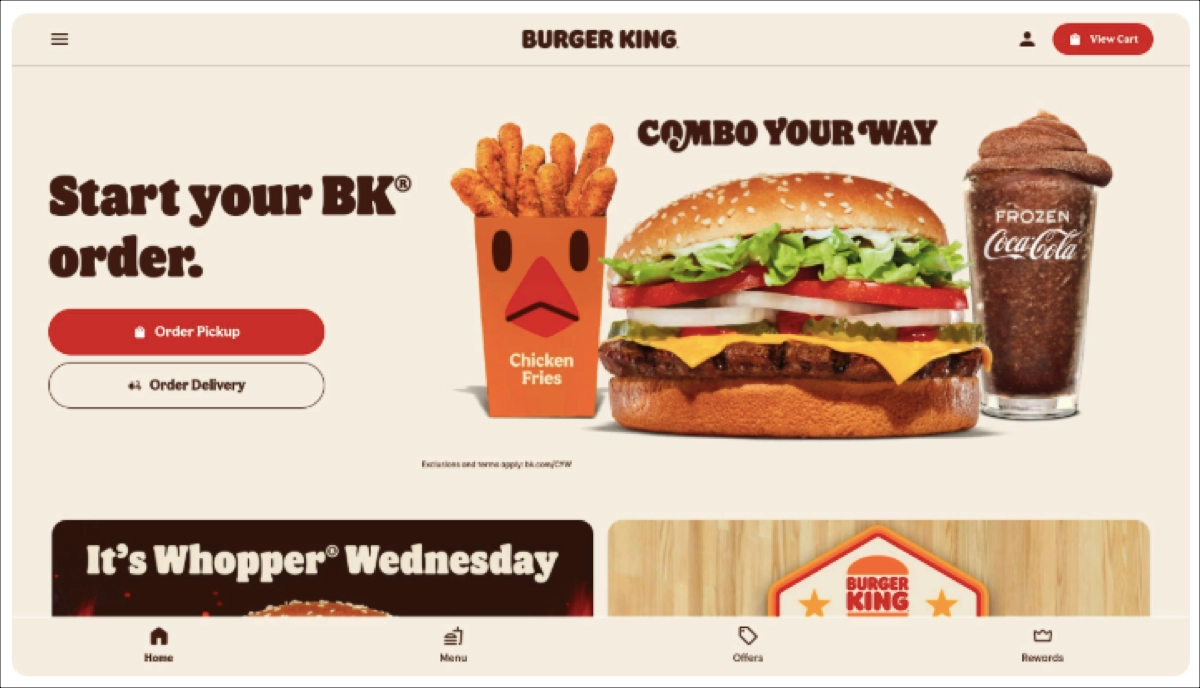
The campaign combined real-time location data with app-based activation, a strong example of behavior-driven out-of-home (OOH) targeting. In just nine days, it generated over 1.5 million app downloads, a 54% increase in store visits, and a 327% rise in billboard impressions – proving how behavioral targeting can drive both digital and physical conversions.
2. Lacoste – Programmatic Display
Lacoste used programmatic display ads to personalize content across France, Germany, and the UK during a summer sale campaign. The brand built customer profiles based on behavioral data and applied audience segmentation, retargeting, and A/B testing to improve ad performance.
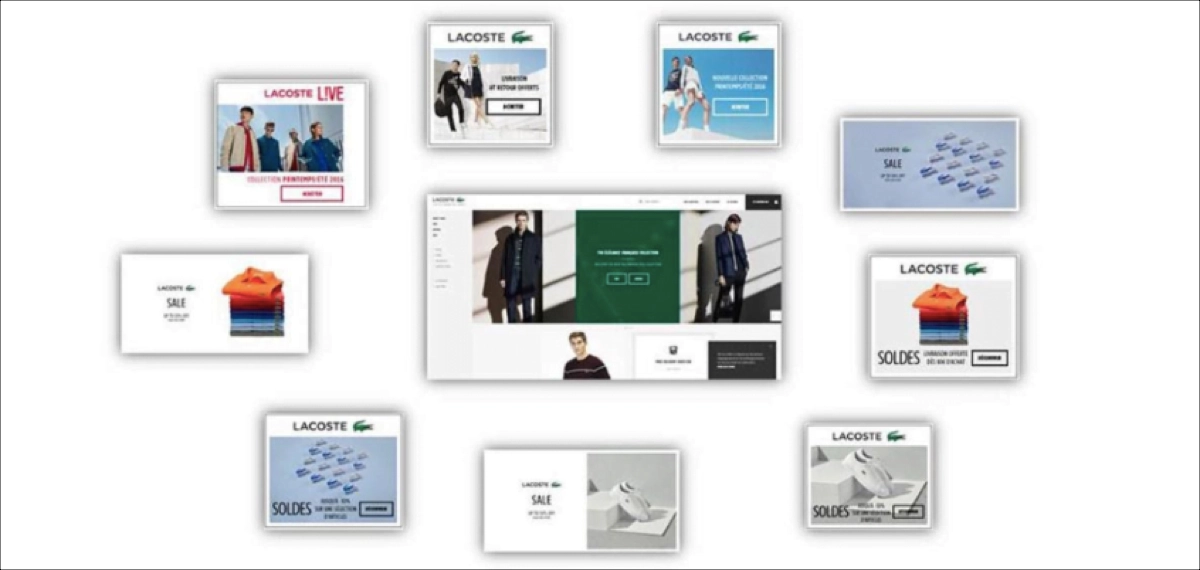
By optimizing creative elements and delivery through testing, Lacoste generated over 19.7 million impressions and 2,290 sales. The campaign showed how aligning behavioral signals with programmatic tools can scale personalization and improve ROAS in competitive retail markets.
3. Miinto – Deep‑Learning Retargeting
Fashion marketplace Miinto used dynamic retargeting powered by deep learning to re-engage users with the exact products they had previously viewed. By leveraging behavior-based product recommendations, they delivered highly personalized ads that directly reflected each user’s interests.
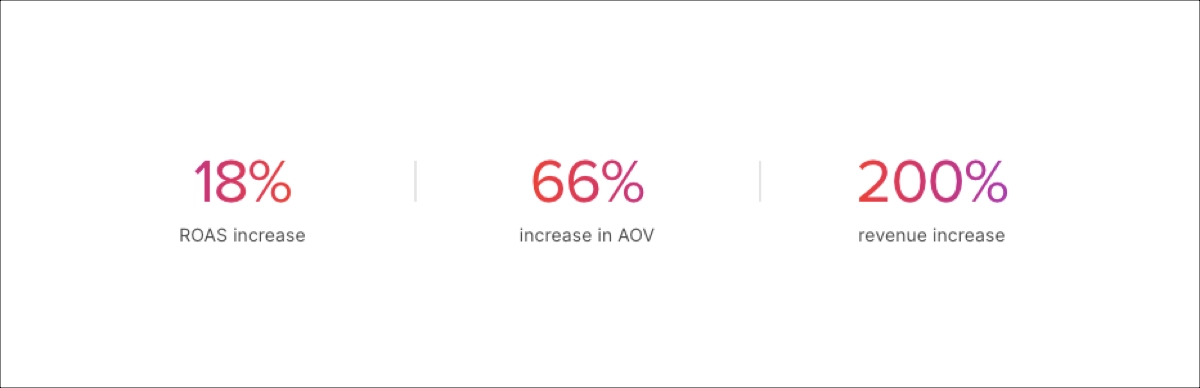
Powered by RTB House, the campaign achieved a 200% uplift in e-commerce performance, demonstrating how advanced algorithms combined with behavioral data can significantly increase conversion rates in fashion e-commerce.
Personalize the experience. Increase conversions. Start building with Landingi today.
6 Proven Behavioral Targeting Strategies & Best Practices
Effective behavioral targeting relies on strategic execution and consistent refinement. These best practices increase accuracy, efficiency, and performance across channels and audience types.
1. Build a Complete Cross-Channel View
Track user activity across web, mobile, email, and social media platforms to build a unified view of interactions.
Collecting online data from a single channel creates gaps in understanding intent. Integrated tracking connects actions across touchpoints, enabling consistent messaging and precise segmentation based on complete behavioral context.
2. Decode What Users Actually Want
Focus on high-intent signals like repeat visits, scroll depth, time on product pages, and cart additions.
Clicks alone offer limited insight and often misrepresent true interest. Deeper behavior patterns refine audience segmentation and identify users more likely to convert, increasing both targeting precision and campaign efficiency.
3. Delete Yesterday’s Data
Set inactivity thresholds – such as no engagement for 60 to 90 days – and remove or pause users whose behavior no longer aligns with campaign goals.
Outdated data within specific audience segments weakens accuracy and wastes budget. Reviewing data ensures that targeting decisions are influenced only by relevant and up-to-date signals.
4. Show What They Want, When They Want It
Deploy dynamic creative that changes in real-time based on each user’s behavior. Display targeted promotions, product recommendations, or personalized banners aligned with the latest interactions – viewed products, abandoned carts, or browsing patterns.
This ensures enhanced relevance for every impression, boosting engagement and conversions.
5. Stop Sending Everyone to the Same Page
Connect ads and emails to landing pages that reflect visitor behavior and intent. Adjust headlines, visuals, and calls to action based on previous views, visits, or referral source.
Aligning pages with the customer journey ensures message continuity and drives improved campaign performance by reducing bounce rates and increasing conversions. Generic pages weaken targeting impact and disrupt user experience.
Know your audience’s behavior? Now act on it with high-performing pages from Landingi.
6. Let Results Guide Your Next Move
Run A/B tests on copy, creatives, timing, layouts, and targeting rules. Small data-driven adjustments improve performance significantly. Behavioral targeting works best when strategies evolve with changing user patterns.
These practices ensure campaigns deliver precise messages to the right users based on verified behavioral signals, maximizing impact and conversion rates.
What are the Popular Platforms for Behavioral Targeting?
Several platforms offer robust tools for behavioral targeting, enabling marketers to segment users and deliver highly relevant content. Meta Ads uses real-time behavior tracking across Facebook and Instagram to deliver relevant ads based on interests, interactions, and engagement history. Google Ads, combined with GA4, serves targeted ads across search, display, and YouTube using browsing behavior, search queries, and conversion paths through event-based analytics.
For email and on-site personalization, Klaviyo triggers automated messages based on browsing, purchase, and engagement behavior, while VWO (Visual Website Optimizer) adapts web content in real-time based on user actions, such as click patterns and time on page. Basis focuses on programmatic advertising, automating media buying with AI-driven audience segmentation and budget optimization across channels.
These platforms support the core goal of behavioral targeting: reaching the right users at the right time with personalized content that drives engagement and conversions.
Should I use Behavioral Targeting as a Marketing Expert?
Yes, behavioral targeting should be central to your advertising strategies. It enables you to deliver relevant content based on real user actions rather than assumptions, increasing engagement, improving conversion rates, and reducing wasted ad spend.
Effective behavioral targeting identifies high-intent users, personalizes messaging, and adapts campaigns in real time. Unlike demographic or contextual approaches, it offers greater precision by leveraging actual behavior data – page views, clicks, and purchases – to guide decisions.
For marketing experts focused on ROI and campaign efficiency, behavioral targeting is essential for reaching the right audience with the right message at the right moment.
What are the Popular Companies that Offer Behavioral Targeting Services?
Beyond popular platforms, there are agencies that bring expertise in behavioral targeting within digital advertising strategies. For example, Single Grain operates as a programmatic-first agency, using behavior data and automated bidding to improve targeting accuracy across channels. Thrive Internet Marketing Agency focuses on PPC and performance marketing, applying behavioral signals to create campaigns aligned with user actions. These companies help brands implement effective targeting strategies that extend beyond standard platform capabilities.
What is the Difference Between Behavioral Targeting and Behavioral Advertising?
The difference between behavioral targeting vs. behavioral advertising comes down to scope and execution. Behavioral targeting is the process of collecting and analyzing user data, such as page views, clicks, and purchase history, to identify audience segments. Behavioral advertising is the outcome – serving ads based on that analysis.
Online behavioral advertising depends on behavioral targeting efforts to deliver ads that align with users’ interests and actions. One is the strategy; the other is the delivery. Together, they improve relevance and drive conversions.
What is the Difference Between Behavioral Targeting and Behavioral Segmentation?
The difference between behavioral targeting and behavioral segmentation lies in their function within the marketing process. Behavioral segmentation is the analytical step – grouping users based on actions like purchase frequency, usage rate, or engagement level to organize audiences by behavior patterns.
Behavioral targeting helps activate these segments by delivering specific messages or ads to each group. Segmentation defines the audience; targeting delivers the message. Unlike contextual targeting, which matches ads to page content, behavioral methods focus on the user’s past interactions.
What’s the use of Landing Pages in Behavioral Targeting?
Landing pages act as the conversion layer connecting user behavior with campaign outcomes. By matching content, layout, and messaging to prior actions (e.g., ad clicks or email interactions), personalized landing pages increase relevance and improve conversion rates. Users see content consistent with their intent, and in contextual and behavioral targeting, landing pages ensure continuity between the ad message and on-page experience.
Effective personalization starts with dynamic text replacement, adjusting headlines and CTAs based on keywords, audience source, or other parameters. This keeps messaging aligned with user expectations and increases engagement. A/B testing validates which page versions perform best for different behavioral segments using metrics like conversion rate and bounce rate.
Use Landingi’s A/B testing to optimize behavior-based landing pages and boost conversions.
Landingi supports behavioral targeting through dynamic content, advanced A/B testing, event-based tracking, and integrations with ad platforms and analytics tools. Marketers can build multiple page variants, or generate them in bulk using Programmatic Landing Pages, connect them to specific audience segments, and optimize performance based on real user behavior – turning behavioral data into measurable conversions by delivering pages that match user intent with precision.

Create Effective Landing Pages for Your Behavioral Targeting
Behavioral targeting increases relevance by matching marketing content to user actions – page visits, product views, or engagement patterns. Yet even the most precise behavioural targeting fails without a focused, personalized landing page. To convert behavioral audiences effectively, pages must reflect the same intent that brought users in through dynamic elements, personalized content, and consistent messaging.
Successful behavioral targeting campaigns consistently show higher conversion rates when landing pages adapt to user segments. Behavioral targeting statistics from industry case studies reveal that personalized landing experiences can double or triple the performance of generic pages.
Landing pages serve as the final conversion tool in any behavioral strategy. Whether retargeting visitors, delivering tailored offers, or segmenting based on interaction history, your landing page must align with user behavior to close the loop between targeting and action. Try Landingi now and create high-converting landing pages built for behavioral targeting.