
Digital audio advertising is no longer emerging – it’s scaling fast. According to a study by Knowledge Sourcing Intelligence, the global digital audio advertising market is expected to grow at a 6.02% CAGR, reaching $51.11 billion by 2030. In the U.S. alone, digital audio ad spend has already surpassed $13 billion, with podcast ads and programmatic audio leading that growth.
As audio becomes central to digital marketing, success depends on choosing the right formats, measuring performance accurately, and converting listeners into customers. From streaming audio ads to podcast ads, each channel requires a different approach to structure, timing, and user intent.
This article walks through the key audio ad formats, performance metrics like listen-through rate and brand lift, and the role of landing pages in audio advertising. Whether you’re scaling campaigns or testing new channels, it’s built to support effective, data-driven digital advertising.
What Are Audio Ads?
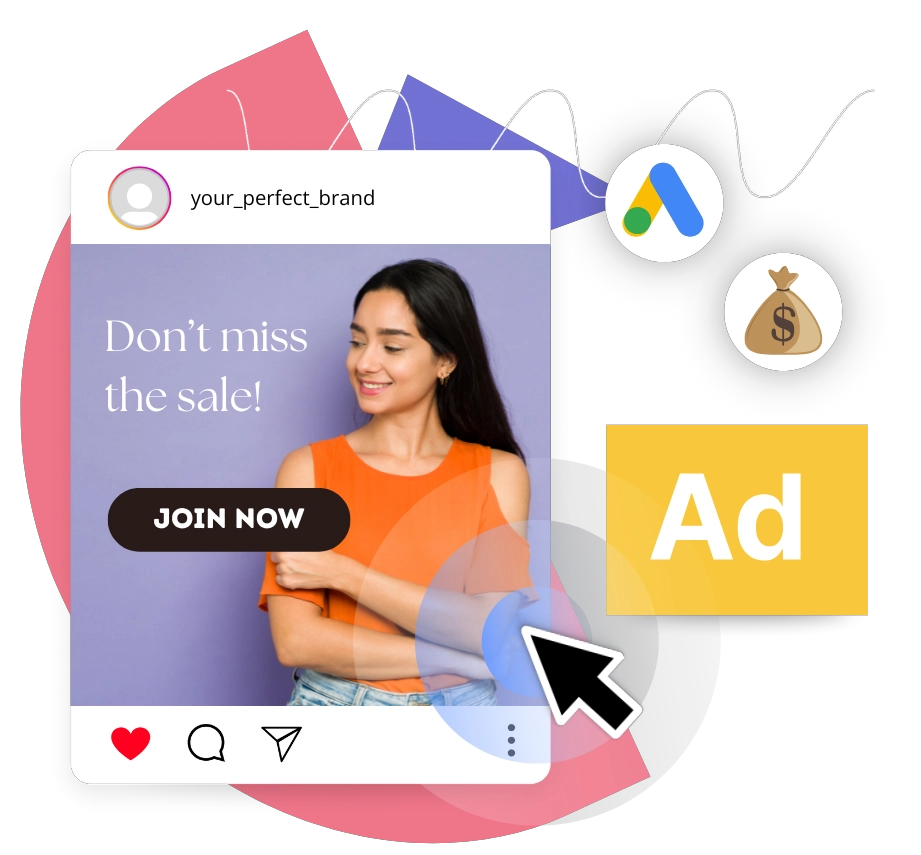
Audio ads are digital advertisements delivered as audio messages through streaming platforms, as defined by the Interactive Advertising Bureau (IAB). To be more precise, it is an audio-focused advertising format broadcast on podcast platforms, Spotify, and YouTube, often with a static image or simple animation.
Audio ads are typically inserted before, during, or after a piece of audio content, such as a podcast, playlist, or radio stream. Audio advertising is used to build reach, strengthen brand recall, and drive performance through features such as promo codes and clickable companion banners.
Audio grabs attention – Landingi turns it into action. Start building landing pages now!
8 Audio Ad Examples
Audio ad examples help structure your message based on campaign goals, placement length, and audience intent. Below are practical formats used across podcast ads, streaming audio ads, and other digital channels. These are not tied to specific brand campaigns but offer adaptable scripts for various use cases.
1. 30-Second Direct Response
Direct response ads are built for immediate action – signups, downloads, or purchases. They work best when you have a clear offer and want measurable results fast. This format moves listeners from problem to solution in seconds, making it ideal for performance-driven campaigns on streaming platforms or podcast mid-rolls.
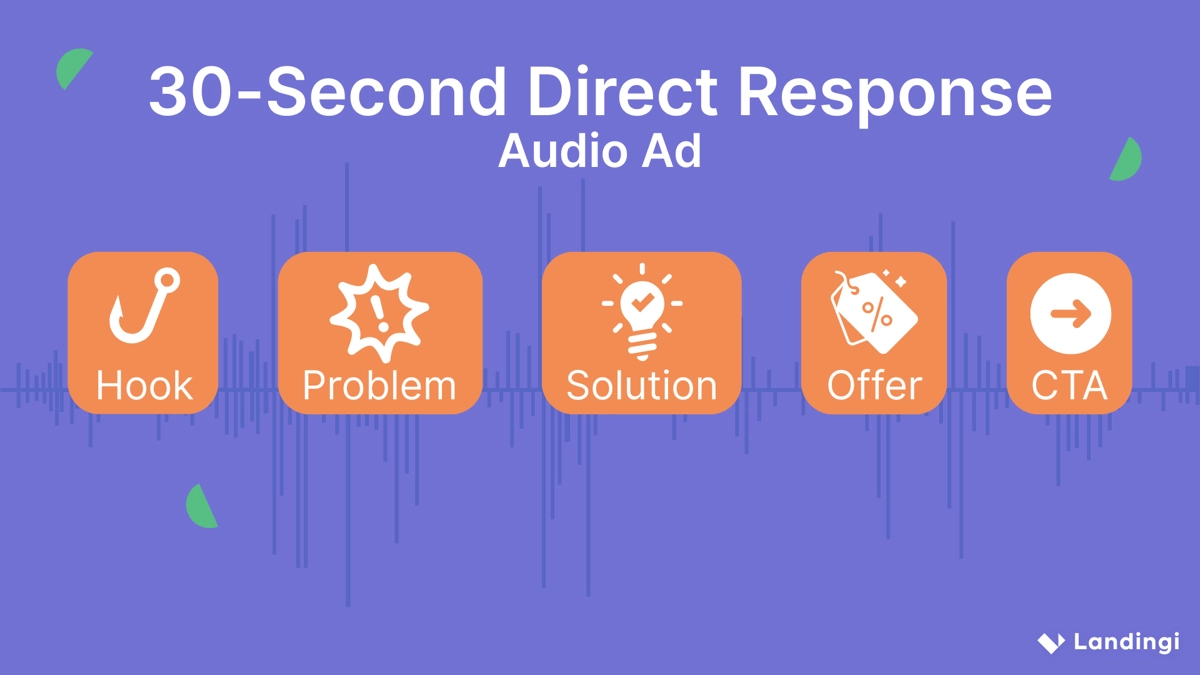
Structure: Hook → Problem → Solution → Offer → CTA
Script template (ca. 70 words):
- Narrator (energetic): “Tired of [pain point], but never have time to [desired action]?”
- Narrator: “Meet [PRODUCT], the easy way to [main benefit] in just [time frame].”
- Narrator: “With [key feature 1] and [key feature 2], you can [result] without [big objection].”
- Narrator (urgent): “Try [PRODUCT] today and get [intro offer] when you visit [WEBSITE] and use code [CODE].”
Example: “Tired of skipping workouts, but never having time to get to the gym? Meet App, the easy way to stay in shape in just 15 minutes a day. With personalized routines and real-time coaching, you can build strength without expensive equipment. Try App today and get 1 week free when you visit app dot com and use code STRONG. “
2. 15-Second Promo
Short promos maximize frequency without overwhelming listeners. Perfect for time-sensitive offers or brand reinforcement, these quick spots fit seamlessly into ad pods on music streaming services. The brevity demands laser focus – every word earns its place.
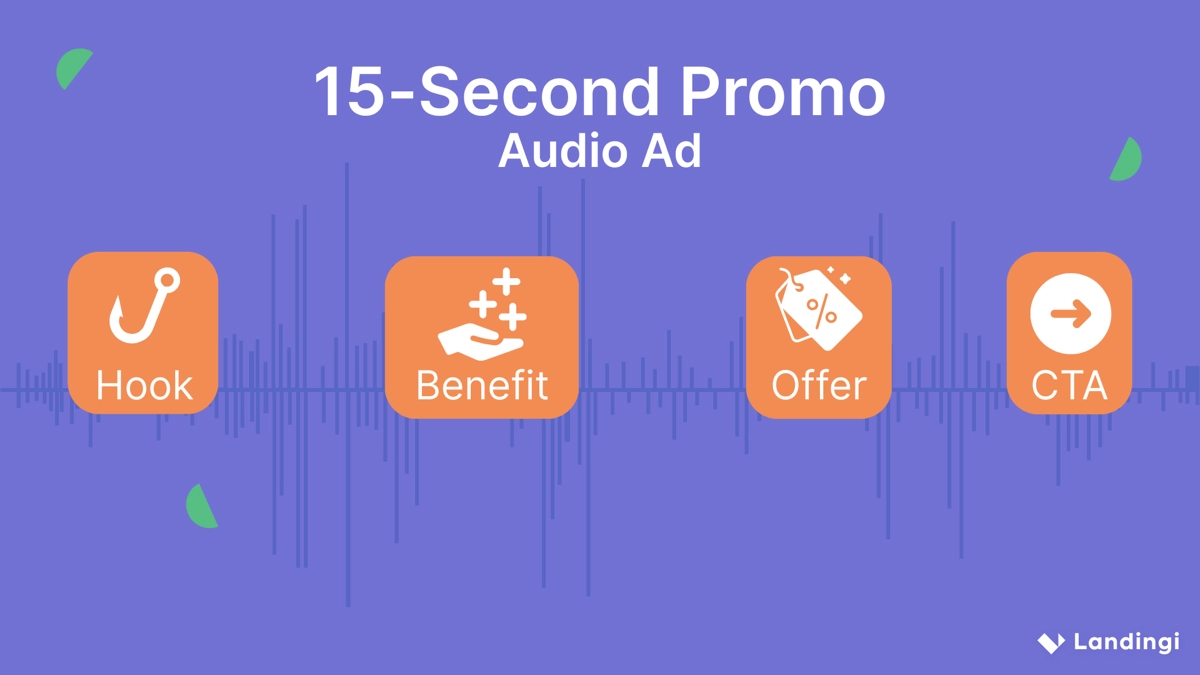
Structure: Hook → Benefit → Offer → CTA.
Script template (ca. 35 words):
- Narrator (upbeat): “Struggling with [problem]?”
- Narrator: “Try [PRODUCT] – [main benefit].”
- Narrator (urgent): “[Discount or offer] this week only at [WEBSITE].”
Example: “Struggling with restless nights? Try Product – better sleep through science-backed sound therapy. 20% off this week only at product dot com.”
3. Story-Driven Problem–Solution Template
Storytelling creates emotional connection, making it powerful for longer podcast placements where listeners are already engaged. This format uses narrative to illustrate transformation, helping audiences see themselves in the story. It works especially well for products that solve persistent, relatable problems.
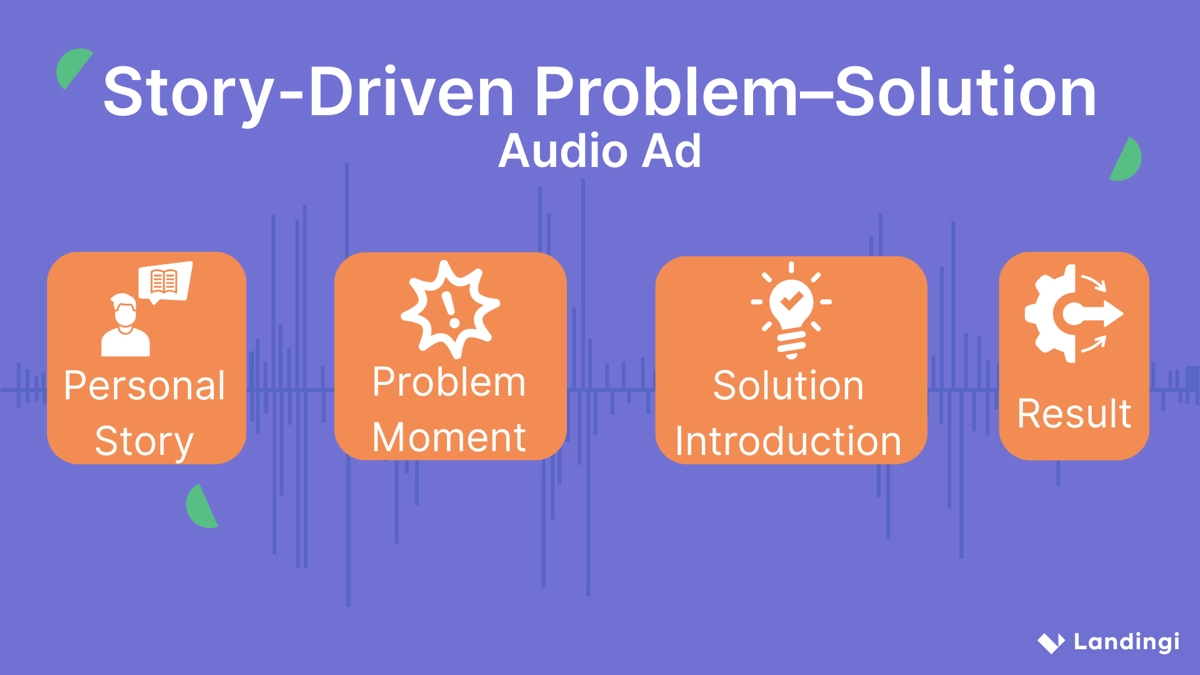
Structure: Personal story → Problem moment → Solution introduction → Result
Script template (ca. 90 words):
- Narrator (relatable): “Last [time period], I was [negative situation]. [Specific struggle detail].”
- Narrator: “Then I discovered [PRODUCT].”
- Narrator (positive shift): “Within [time frame], I noticed [specific improvement]. Now, [current positive state].”
- Narrator: “[PRODUCT] uses [key feature] to help you [main benefit]. No [common objection], just [result].”
- Narrator (casual CTA): “If you’re dealing with [problem], check out [PRODUCT] at [WEBSITE].”
Example: “Last month, I was struggling to focus at work. I’d hit 2 PM and just crash completely. Then I discovered Product. Within three days, I noticed I could power through afternoon meetings. Now, I’m actually productive all day. Product uses natural nootropics to help you stay sharp without the jitters. No caffeine crashes, just clean, sustained energy. If you’re dealing with brain fog, check out Product at product dot com.”
4. Host-Read Podcast Ad
Host-read ads leverage the trust and authenticity podcast hosts have built with their audiences. These feel less like ads and more like personal recommendations, which significantly improves reception and recall. The host’s voice and style make the message native to the content, reducing listener resistance.
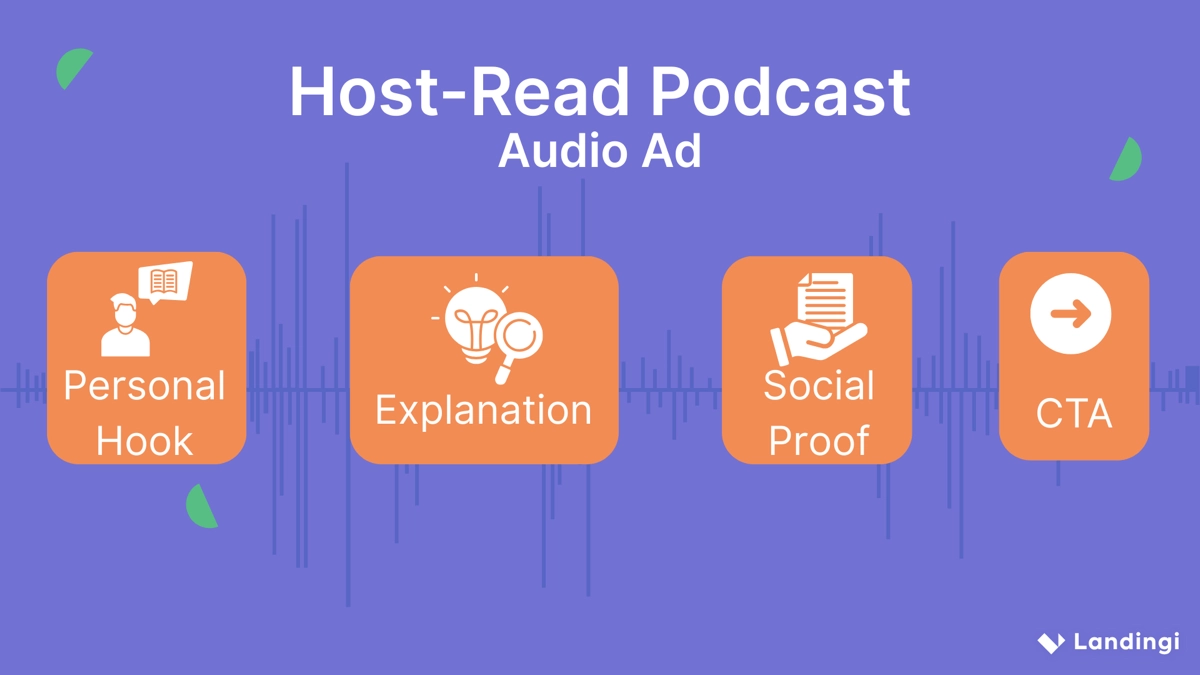
Structure: Personal hook → Explanation → Social proof → CTA.
Script template (ca. 80 words):
- Host (conversational): “Quick word about today’s sponsor, [PRODUCT].”
- Host: “So I’ve been using [PRODUCT] for [time period] now, and honestly, [personal experience/benefit].”
- Host: “What I love about it is [specific feature]. It really helps with [relatable problem].”
- Host: “[Social proof – friend/family member/community feedback].”
- Host (friendly): “If you want to try it, go to [WEBSITE] and use code [CODE] for [offer]. Again, that’s [WEBSITE], code [CODE].”
Example: “Quick word about today’s sponsor, App. So I’ve been using App for about two months now, and honestly, it’s changed how I handle stress before recording. What I love about it is the 5-minute guided sessions. They really help me get centered without taking up my whole morning. My producer actually started using it too after seeing how much calmer I was during editing sessions. If you want to try it, go to app dot com and use code RELAX for 20% off your first month. “
Let Landingi close the deal. Start building high-converting pages today.
5. Branded “Audio Logo” Awareness
Audio logos build brand recall through repetition and sonic identity. These short tags are perfect for top-of-funnel awareness campaigns where you want listeners to remember your brand over time. Paired with a memorable jingle or sound signature, they create mental availability without demanding immediate action.
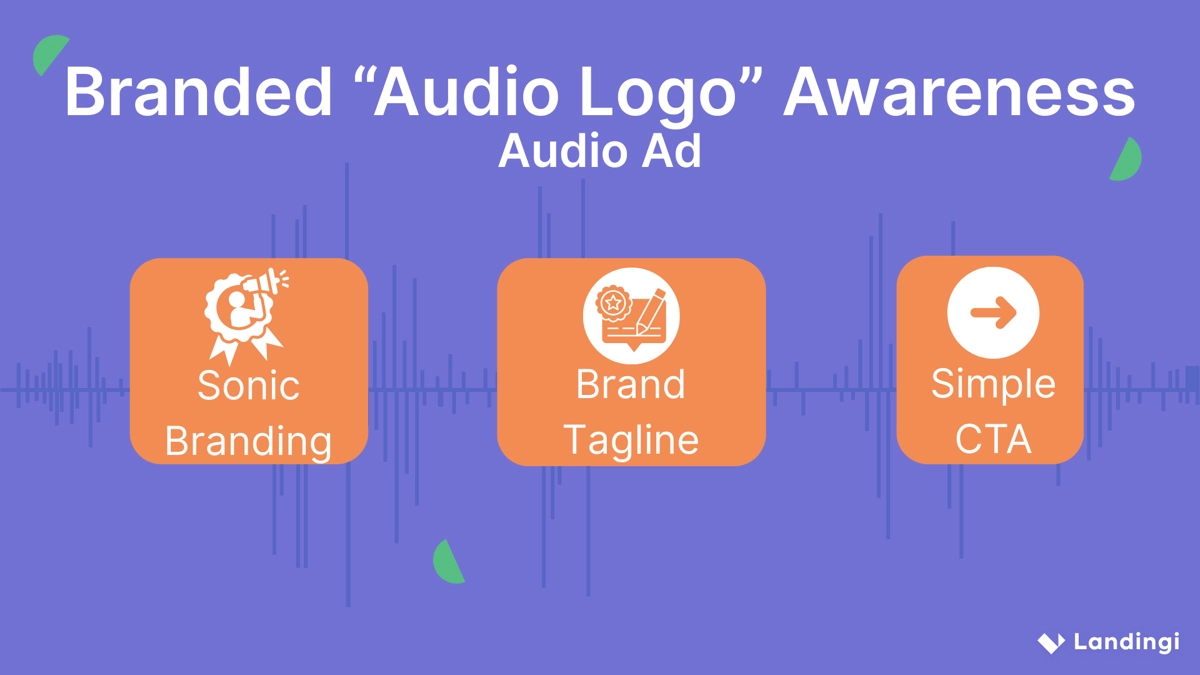
Structure: Sonic branding → Brand tagline → Simple CTA
Script template (ca. 25 words):
- [Sonic branding: 2-3 second jingle or sound signature]
- Narrator (confident): “[Brand tagline or memorable phrase].”
- Narrator: “[PRODUCT] – [simple benefit]. [WEBSITE].”
Example: [Jingle] “Work done, before work starts. Brand – productivity in a bottle. Learn more at brand dot com.”
6. Local Service / Retail
Local ads target specific geographic audiences with timely, relevant offers. They’re highly effective for businesses like clinics, restaurants, or retail stores that serve nearby communities. Geo-targeting combined with immediacy (“today only,” “open now”) drives foot traffic and same-day conversions.
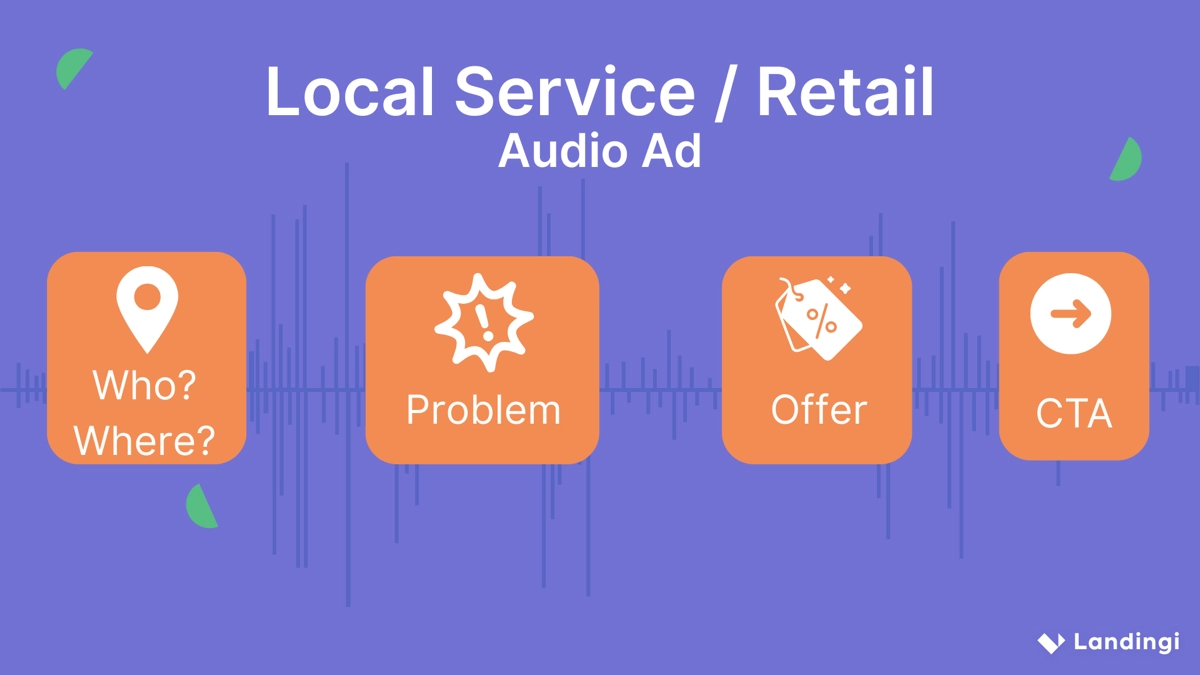
Structure: Who + Where → Problem → Offer → CTA
Script template (25-50 words):
- Narrator (friendly): “Need [service] in [LOCATION]?”
- Narrator: “[BUSINESS NAME] is here to help. [Optionally: Key benefit or differentiator].”
- Narrator (urgent): “[Current offer or availability]. Visit us at [ADDRESS] or book online at [WEBSITE].”
Example: “Need urgent care in Austin? Book now at Clinic. Walk-ins welcome until 10 PM. Visit us on South Lamar or book online at clinic dot com.”
7. UGC / Testimonial-Style
Testimonial ads feel authentic because they sound like real customer experiences, not polished marketing. This casual, conversational tone breaks through ad fatigue and builds trust through relatability. They’re especially effective for wellness, lifestyle, and personal development products where transformation stories resonate.
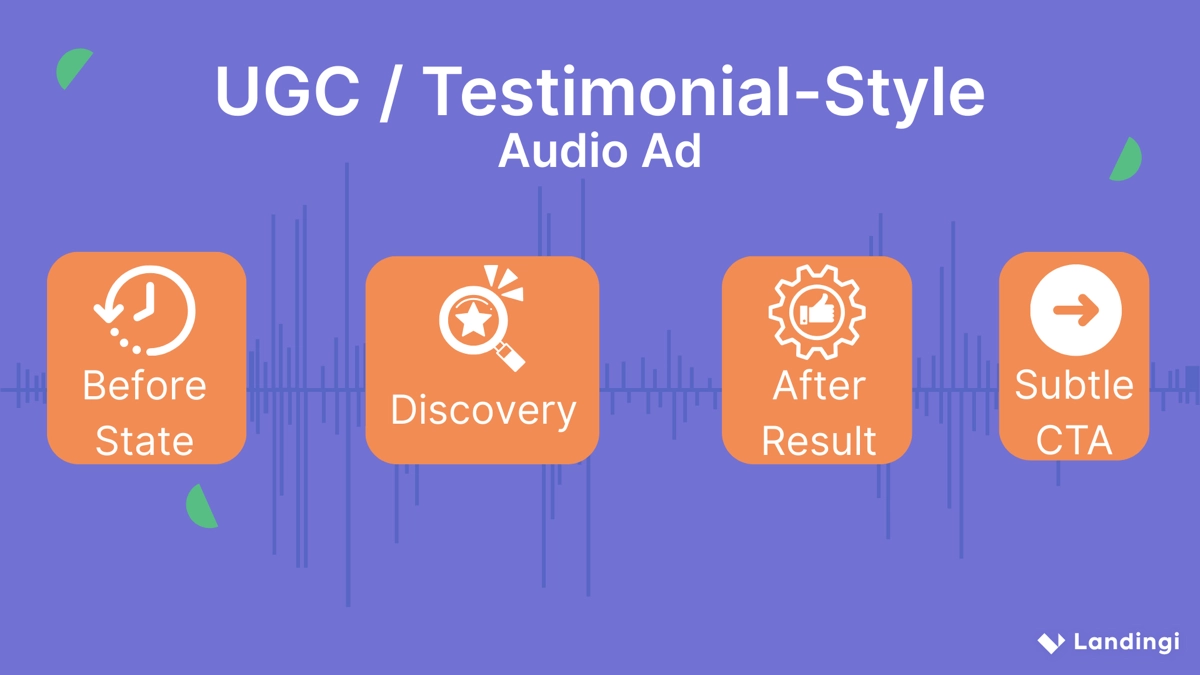
Structure: Before state → Discovery → After result → Subtle CTA
Script template (ca. 60 words):
- Customer (casual, authentic): “Before [PRODUCT], I was [negative state]. [Specific struggle].”
- Customer: “A friend told me about [PRODUCT], so I figured, why not?”
- Customer (pleased): “Honestly? [Specific positive change]. Now [current improved state].”
- Customer: “It’s literally [time investment] a day. If you’re [target audience description], just try it.”
- Customer: “It’s at [WEBSITE]. Totally worth it.”
Example: “Before Brand, I was constantly stressed and barely sleeping. I’d lie awake for hours just thinking about everything. My sister told me about Brand, so I figured, why not? Honestly? I sleep through the night now. Like, actually sleep. I wake up feeling rested for the first time in years. It’s literally 5 minutes before bed. If you’re tired of being tired, just try it. It’s at brand dot com. Totally worth it.”
8. Sponsorship / Brand-Safe
Sponsorship-style ads work for regulated industries like finance, healthcare, or legal services that require measured, compliant messaging. They prioritize credibility over urgency, positioning the brand as a trusted resource. This format maintains professionalism while still encouraging action through clear value propositions.
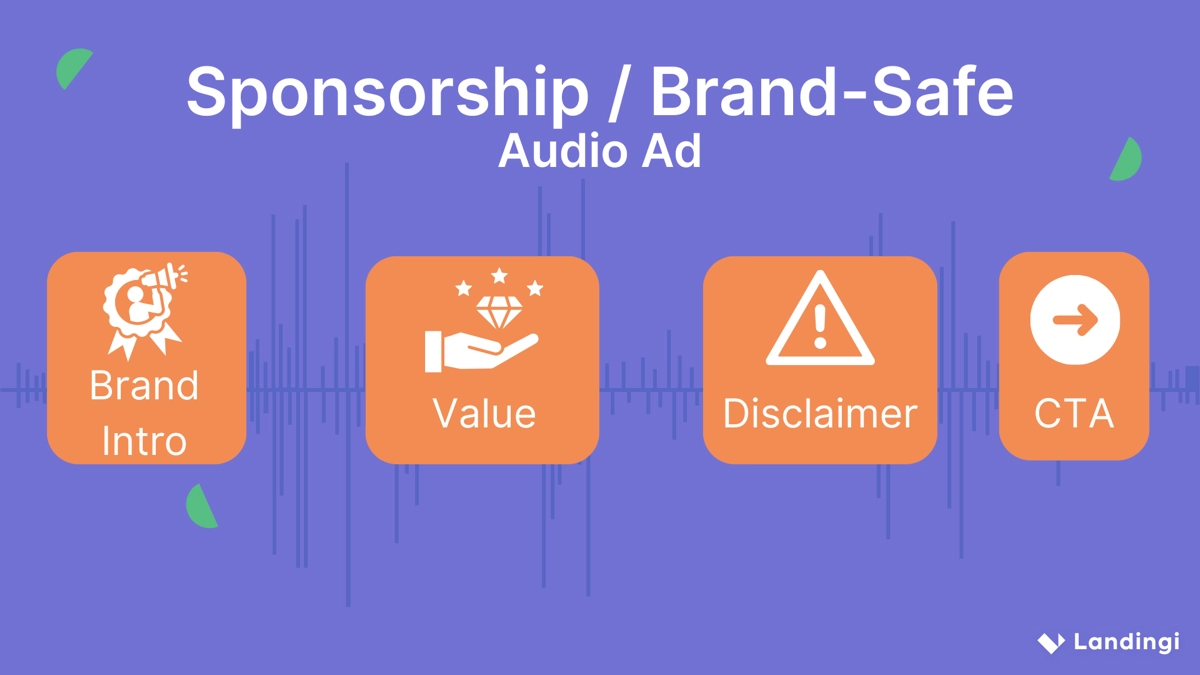
Structure: Brand intro → Value proposition → Disclaimer → CTA.
Script template (ca. 65 words):
- Narrator (professional, warm): “This message is brought to you by [BRAND].”
- Narrator: “At [BRAND], we help [target audience] [main value proposition] through [key service/approach].”
- Narrator: “Whether you’re [use case 1] or [use case 2], we provide [benefit] you can trust.”
- Narrator: “Learn more at [WEBSITE]. [Optional disclaimer].”
- Narrator (reassuring): “[BRAND] — [tagline or positioning statement].”
Example: “This message is brought to you by Brand. At Brand, we help everyday investors build wealth through transparent, fee-simple investment strategies. Whether you’re planning for retirement or saving for a home, we provide guidance and tools you can trust. Learn more at brand dot com. Investment involves risk; past performance doesn’t guarantee future results. Brand – investing made clear.”
What’s the Use of Landing Pages in Audio Advertising?
Landing pages convert listeners into customers by serving as targeted destinations in audio advertising campaigns. These pages are typically promoted via verbal calls to action, which require short, memorable URLs, or via companion banners during audio ads on streaming services.
Well-structured landing pages for audio ads ensure contextual relevance by aligning the ad’s message with the page’s content and offer. This consistency increases the likelihood of user action while enabling advertisers to track visits, measure conversions, and optimize performance based on user behavior.
Maximize ROI from Spotify and podcast ads! Use Landingi to convert listeners into leads.
Audio Ads vs. Radio Ads
Audio ads delivered through digital platforms offer advanced capabilities – audience targeting, real-time reporting, dynamic ad insertion (DAI), and interactive formats. Traditional radio ads, however, follow a linear broadcast model with fixed schedules and established measurement standards.
While digital audio enables precise optimization and attribution, traditional radio excels at reaching broad, diverse audiences. Each format serves distinct funnel roles: digital audio supports engagement and conversions (mid-to-lower funnel), while traditional radio drives awareness (top-of-funnel).
Where Do Digital Audio Ads Appear?
Digital audio ads are placed across platforms that deliver on-demand or live-streamed audio content, reaching listeners during moments of high auditory attention – such as commuting, exercising, or working. Key platforms include music streaming services such as Spotify and Pandora, podcast platforms such as Apple Podcasts and Wondery, and digital radio apps such as iHeartRadio and TuneIn.
Audio ad placements include:
- Pre-roll ads, played before the main content begins, often used to introduce a brand or promotion.
- Mid-roll ads, inserted in the middle of content, typically during natural breaks in podcast episodes or long-form audio.
- Post-roll ads, delivered at the end of content, ideal for reinforcing the call-to-action after user engagement.
These formats offer marketers flexible ways to reach listeners at different stages of engagement.
7 Common Audio Ad Formats
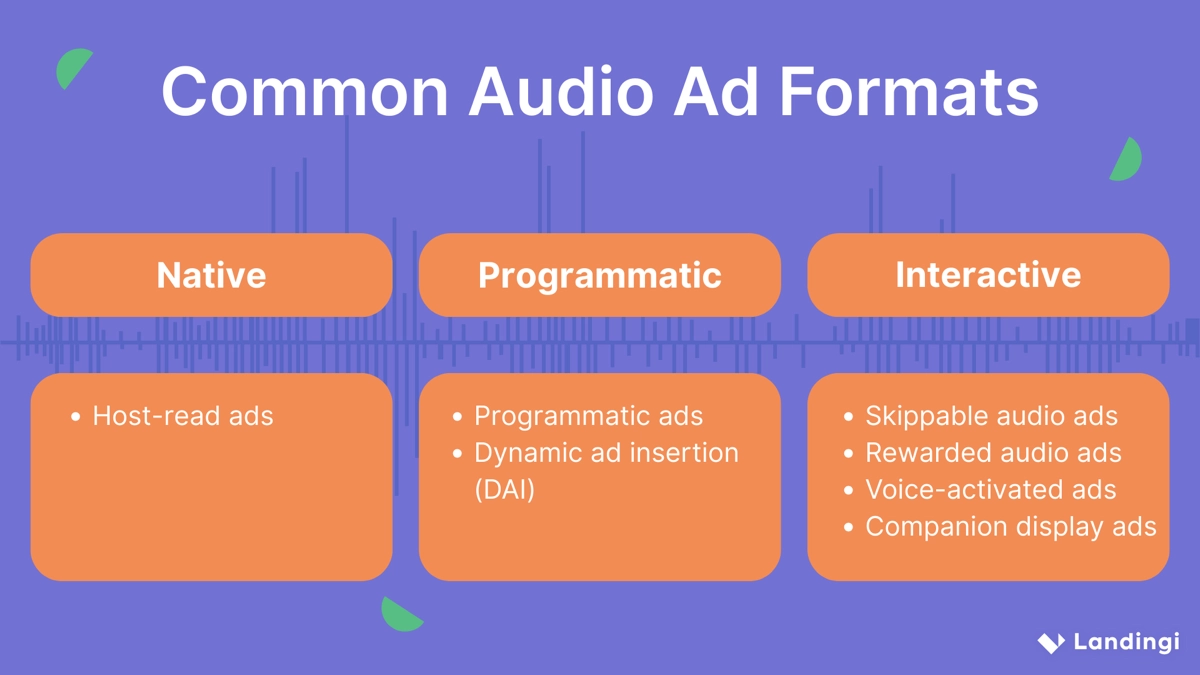
Audio ad formats vary in structure, delivery, and interaction level, serving different campaign goals from brand awareness to direct engagement. They can be grouped into three main categories: native, programmatic, and interactive formats.
Native Audio Ad Formats
Native formats leverage the authenticity and credibility of content creators to deliver advertising messages organically.
- Host-read ads are integrated directly into podcast episodes by the host using their own voice and style. This native advertising format blends naturally with content, delivering higher trust and relevance among engaged listeners.
Programmatic Audio Ad Formats
Programmatic audio ad formats use data and automation to deliver targeted ads at scale across digital audio platforms.
- Programmatic ads are dynamically inserted into digital streams using targeting data such as location, demographics, or behavior. This includes audio ad pods – short commercial breaks with multiple ads grouped together, similar to traditional radio breaks but optimized for digital delivery. These formats are commonly used on music streaming platforms.
- Dynamic ad insertion (DAI) enables real-time ad placement across podcasts and digital radio, allowing messages to change based on audience or timing.
Interactive and Enhanced Audio Ad Formats
Interactive formats encourage active listener participation and provide greater control over the ad experience.
- Skippable audio ads give listeners the option to skip after a few seconds, increasing user control and reducing ad fatigue.
- Rewarded audio ads offer incentives – such as ad-free listening or premium content – in exchange for completing the ad. This format is popular in mobile apps and gaming platforms.
- Voice-activated ads engage users through voice commands, typically on smart speakers. For example, an ad might prompt, “Just say Send me more info“, creating direct spoken interaction.
- Companion display ads add a visual component to audio – these clickable banners appear in the app interface while the audio plays, encouraging immediate interaction, especially on mobile.
Each of these audio formats plays a distinct role in digital audio campaigns, offering flexibility to match creative with context and platform.
Make your audio ads perform better! Pair them with high-impact landing pages from Landingi.
Programmatic Audio Basics
Programmatic audio advertising automates the buying and selling ad inventory through real-time bidding platforms. Unlike manual placements, programmatic advertising uses algorithms to deliver targeted messages based on audience data, device type, location, or behavior, including dynamic ad insertion (DAI) for real-time placement within live streams or on-demand content.
Advertisers define audience segments – such as age, interests, or listening habits – to improve relevance and performance. Brand safety measures, including pre-approved publisher lists and content filters, ensure ads appear in appropriate contexts.
To maintain consistency across platforms, the industry relies on standards like DAAST (Digital Audio Ad Serving Template) and VAST (Video Ad Serving Template) for tracking, reporting, and delivery. This standardization enables scalable, measurable campaigns across diverse audio environments.
Targeting Options for Audio Campaigns
Digital audio enables precise targeting across multiple data layers, allowing advertisers to reach their target audience with high accuracy. According to IAB guidelines, platforms like podcasts and streaming services support audience-based buying using first-, second-, and third-party data. This allows marketers to tailor messaging for specific audiences based on demographics, behaviors, location, listening preferences, and device context.
- Demographic Targeting
Demographic targeting focuses on specific demographics such as age, gender, income, education, etc. Audio platforms enable granular segmentation – for example, targeting 25–34-year-old professionals – using listener profiles and data management platforms (DMPs). - Behavioral Targeting
Behavioral targeting uses listener behaviors, such as browsing history, shopping intent, and lifestyle interests, to enable retargeting and lookalike campaigns. This approach engages listeners during passive moments, such as commuting or working out, and delivers more relevant messaging based on their actions and preferences. - Contextual Targeting
Contextual targeting aligns ads with content themes, genres, or moods – such as crime podcasts or upbeat playlists. Rather than relying on personal data, this method uses content categories or keywords to capture attention while ensuring brand safety and relevance. - Location-Based Targeting
Location-based targeting uses geofencing by city or ZIP code, or by real-time conditions such as weather and time of day. This enables highly localized messaging – for example, “Rainy morning in Chicago?” – delivered via device IDs through programmatic platforms. - Device-Based Targeting
Device-based targeting considers listening context across mobile, desktop, smart speakers, or connected cars. It supports cross-device tracking and adapts messaging for each channel – such as voice CTAs on speakers or “tap to act” on mobile – improving ad performance across device types.
What Makes an Audio Ad “High-Performing”?
A high-performing audio ad delivers clear messaging, aligns with listener context, and drives measurable desired outcomes, such as clicks, conversions, or brand recall. It uses storytelling to engage the listener’s imagination, often leveraging sound effects, pacing, and tone to make a lasting impression.
Effective audio ads fit naturally into everyday moments – during commutes, workouts, or while listening to streaming music – when visual distractions are low. Successful campaigns also use real-time optimization tools to adjust delivery based on performance data.
Strong calls to action, brand mentions within the first few seconds, and credible voices help improve results. Adding social proof, such as customer testimonials or review scores, further builds trust and strengthens the message’s impact. As ads reach listeners in a personal and uninterrupted way, precision targeting and creative quality become key to success.
Audio Ad KPIs and Measurement
Measuring the effectiveness of audio advertising requires tracking delivery, engagement, and performance metrics. These KPIs reveal how well campaigns drive awareness, interest, and action across streaming and podcast platforms.
- Delivery and exposure metrics include reach (unique listeners who heard the ad) and frequency (how often the same user was exposed). CPM (cost per thousand impressions) reflects delivery efficiency.
- Engagement metrics focus on listener attention. Completion rate, or listen-through rate, tracks the percentage of listeners who finish the ad – critical for message retention, especially for mid-roll or longer spots. Brand lift measures changes in awareness, recall, or preference through post-campaign surveys, offering insight into brand impact.
- Performance metrics assess direct action. For performance-focused campaigns, CTR on companion banners and promo code redemptions indicate engagement levels. When ads direct users to landing pages, the conversion rate shows how many listeners took action after arrival.
When audio ads drive measurable actions, marketers can calculate return on ad spend using ROAS benchmarks, or analyze acquisition efficiency through cost per acquisition. To better understand how to compare ad efficiency, see our breakdown of ROI vs ROAS. Accurate attribution requires proper PPC tracking setup, especially when campaigns span multiple channels and devices.
Create Effective Landing Pages for Your Audio Ads
Digital audio advertising reaches audiences during high-attention moments when they’re engaged but not looking at screens – commuting, exercising, or working. From host-read podcast spots to programmatic streaming ads and rewarded mobile placements, brands deliver targeted messages across diverse audio platforms.
Success requires more than compelling ad creative. The right format, platform targeting, and continuous optimization drive results. Marketers track performance through listen-through rates, brand lift, companion banner CTR, and landing page conversions, using real-time data and A/B testing to refine campaigns. Yet even the best-targeted audio ad fails without action. Landing pages are where audio attention becomes measurable business value. A clear, conversion-focused page – tested and optimized with proven layouts – transforms engaged listeners into customers.
Ready to convert your audio traffic? Start with Landingi today to create high-converting landing pages, run faster A/B tests, and maintain complete control over your campaigns – maximizing ROI from every audio ad.