A digital marketing campaign works when the channel, offer, audience, and destination page support the same conversion goal. A social ad may generate the click, but the campaign still loses money if the landing page changes the promise, targets a different segment, or makes the next step unclear.
WebStrategies reports that 72% of marketing budgets are allocated to digital channels. The more useful question is how to keep the audience, offer, campaign message, and landing page aligned after the budget is allocated.
The six examples below show different ways to generate demand, capture search intent, and move users toward an offer. For each campaign type, we also examine where a dedicated landing page can reduce message mismatch or create a clearer conversion path.
Use these campaign examples to compare targeting, message structure, channel selection, and the step users encounter after the click.

What is a Digital Marketing Campaign?
A digital marketing campaign is a coordinated set of online activities built around one defined objective, audience, offer, and measurement plan. Depending on the objective, the campaign may use paid search, social media, email, organic content, or a combination of these channels to generate a specific action, such as a purchase, demo request, signup, or booking.
Channels should support the others and have defined roles rather than simply repeating the same message. Paid search may capture existing demand, for example, while email nurtures the leads collected on the campaign landing page.
Digital campaigns can be adjusted using signals such as cost per lead, conversion rate, qualified-lead rate, revenue, and drop-off by funnel stage. Real-time changes are useful for high-volume campaigns, while low-volume B2B campaigns usually require a longer evaluation window.
A successful campaign blends creativity, tech, and strategy. The goal is to drive measurable outcomes – whether it’s more sales, email signups, or site visits – by connecting with customers where they are online.
What Makes a Great Digital Marketing Campaign Example?
A useful digital marketing campaign example should show more than the creative asset. It should identify the objective, audience, offer, acquisition channel, destination page, and metric used to judge the result. Here’s how each element drives a campaign’s success:
#1 Clear objectives
A campaign objective should define the action, audience, measurement window, and success threshold. ‘Generate 80 qualified demo requests from paid search within six weeks’ is actionable; ‘increase awareness’ is not.”
Campaign goals give direction, help use resources wisely, and keep the team focused. Whether you’re aiming to generate leads or boost brand awareness, defined objectives make it easier to track progress and measure success.
Clear goals also align your marketing efforts with your overall business strategy. This ensures that every campaign moves your company forward and supports broader growth targets.
#2 Targeted audience
Audience definition should change the campaign message, offer, and conversion path. A first-time buyer may need product comparison and risk-reduction content, while an existing customer may respond to an upgrade, renewal, or cross-sell offer.
Audience research should also identify where the buying decision begins. Platform choice should reflect intent and behavior (not only age) because the same buyer may discover an offer on TikTok, compare options in Google, and complete the decision after an email follow-up.
#3 Compelling content
Campaign content should communicate the problem, offer, proof, and next step at the level of detail appropriate to the channel. An ad may introduce the promise, but the landing page must explain the conditions and remove the objections that prevent conversion.
Quality content also supports SEO. For organic campaigns, content must match search intent and provide information that competing pages do not answer clearly. Usefulness alone does not guarantee visibility; the page must also be discoverable, technically accessible, and relevant to the query.
Whether it’s a blog post, video, or infographic, good content moves people from awareness to action.
#4 Multi-channel approach
A successful campaign shows up where your audience already is. Using multiple channels – like social media, email, and search – lets you reach people across different touchpoints and tailor content to each platform.
Cross-channel consistency means preserving the same offer, audience promise, and brand cues while adapting the format to each platform. Copying one asset across every channel may create visual consistency but ignore differences in intent and context.
#5 Measurable results
Campaign measurement should distinguish delivery metrics from business outcomes. Click-through rate can diagnose the ad, landing page conversion rate can diagnose the post-click experience, and qualified pipeline or revenue can show whether the campaign created commercial value.
Tracking metrics allows you to make quick adjustments and improve performance in real time.
Measurement turns guesses into strategy. It helps you fine-tune your efforts, optimize spend, and drive better results with every campaign.
6 Best Digital Marketing Campaign Examples
The six examples below represent different campaign channels and conversion paths. Each one is assessed by the audience it targets, the action it requests, and the role a dedicated landing page can play after the click.
1. Social media marketing
An ecommerce brand used Facebook carousel ads to promote a select group of products. Each slide featured its own image, copy, and call to action – allowing the brand to highlight multiple items in one ad.
The campaign targeted specific demographics based on age, gender, location, interests, and behaviors. Personalized messaging and high-quality visuals made the ads feel native in users’ feeds, increasing engagement without being disruptive.
Carousel ads are most useful when the advertiser needs to compare several products or match different cards with different audience interests. Before launch, verify that every card leads to the correct destination and that product availability and pricing match the ad.

2. Email marketing
A product launch campaign invited newsletter subscribers to join an exclusive “early bird” list. The email featured a high-quality product image, personalized copy, and a clear CTA – creating a focused message that drove clicks.
By offering early access and tailoring the message to the audience, the brand delivered real value. Personalized emails like this boost engagement and drive strong ROI, averaging $36 to $42 for every $1 spent, according to Mailercloud.

3. Content marketing
Neil Patel’s blog uses search-focused educational content to attract readers researching SEO, paid advertising, and conversion optimization. The blog offers in-depth insights that attract and retain a large audience.
Commercial CTAs appear alongside educational content and direct readers toward tools or services related to the topic they are already researching. The conversion path works because the offer is a logical next step rather than an unrelated interruption.
It’s a strong model for using valuable, expert-driven content to build trust and generate conversions.

4. Pay-per-click advertising
Virgin Experience Days used Google Search ads to promote spa vouchers against queries with clear purchase intent. Sitelink assets separated offers such as couples’ packages and spa days for women, reducing the number of steps between the query and the relevant offer.
By appearing at the top of search results, the campaign increased visibility and drove high-intent traffic to the website. It’s a solid example of how well-crafted PPC ads can deliver clicks, conversions, and real business impact.

5. Web design
Epic Selfie created a high-converting landing page by combining strong design with strategic layout. The page features a bold headline, immersive visuals, and CTA buttons placed for maximum impact.
Its clean structure guides visitors smoothly through the content. With smart design choices and conversion-focused elements, the page drives engagement and helps meet key business goals.

6. Local SEO
Luxe Hair Salon in Phoenix used local SEO elements such as location-specific page copy, title tags, meta descriptions, and consistent business details to boost visibility in search results.
They also ensured consistent NAP (Name, Address, Phone) details across online directories – helping improve local rankings. As a result, the salon reached more nearby customers and increased traffic through smart search engine marketing.

How Do Landing Pages Elevate the Success of Top Digital Marketing Campaign Examples?
A campaign landing page is a destination created around one primary conversion goal, such as a demo request, purchase, signup, or booking. Compared with a general website page, it reduces competing navigation and keeps the message focused. This focus eliminates distractions and directs users straight to action, significantly boosting conversions.
In high-performing campaigns, landing pages match the tone, visuals, and messaging of the ad or email that leads to them. This consistency builds trust and keeps users engaged, increasing the chance they’ll click the CTA. A high-converting landing page repeats the offer and audience context introduced in the ad or email, then answers the objections that block the requested action. A demo page may need qualification details and product proof, while an ecommerce page may need pricing, delivery information, return policies, and product availability.
Landing pages are also easy to measure. You can track user behavior, conversion rates, and drop-off points, enabling quick adjustments and ongoing optimization. A landing page cannot fix weak targeting or an uncompetitive offer, but it prevents additional losses caused by message mismatch, unnecessary choices, or an unclear next step.
To build high-converting landing pages, marketers rely on Landingi – the AI landing page platform for digital campaigns. With its AI generator, drag-and-drop builder, and optimization tools, you can launch tailored pages for any campaign – whether your goal is lead gen, sales, or brand awareness.
Want to go global? No problem—Landingi supports translation into 35 languages, so you can localize your message and expand your reach.

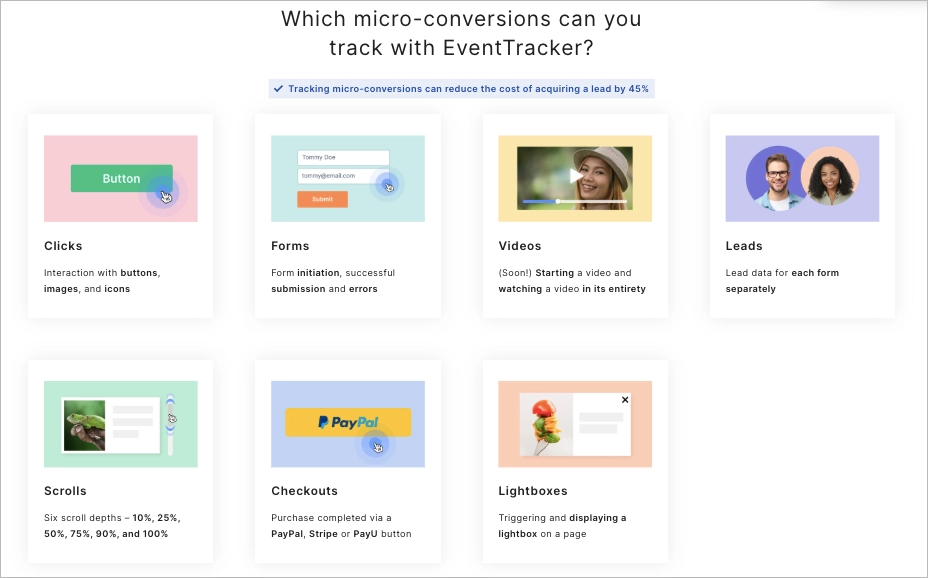
Beyond page creation, Landingi supports A/B testing, on-page event tracking, and integrations with more than 170 tools. These functions are necessary for teams that need to compare page variants, diagnose post-click behavior, or connect landing page leads with their existing marketing stack.
Create a dedicated page that repeats the offer, audience promise, and next step from your ad, email, or social campaign.
Boost Your Campaigns with Digital Marketing Examples and Landing Pages That Convert
The six campaigns show that creativity, clear goals, and smart strategy lead to real results. Whether through social media, email, or a multichannel approach, each one proves how the right message (delivered on the right platform) can increase engagement, grow brand awareness, and drive conversions.
What connects them all? Data-driven choices, compelling content, and landing pages designed to convert. These elements work together to turn attention into action.
Use these examples as inspiration for your next move. Whether you’re launching a campaign or optimizing one, apply what works – and focus on creating meaningful connections with your audience.
And remember: behind every successful campaign is a well-built landing page. Before launching your next campaign, check whether the landing page repeats the ad promise, targets the same segment, and makes the next action unambiguous. Use Landingi to build and test that post-click path!